

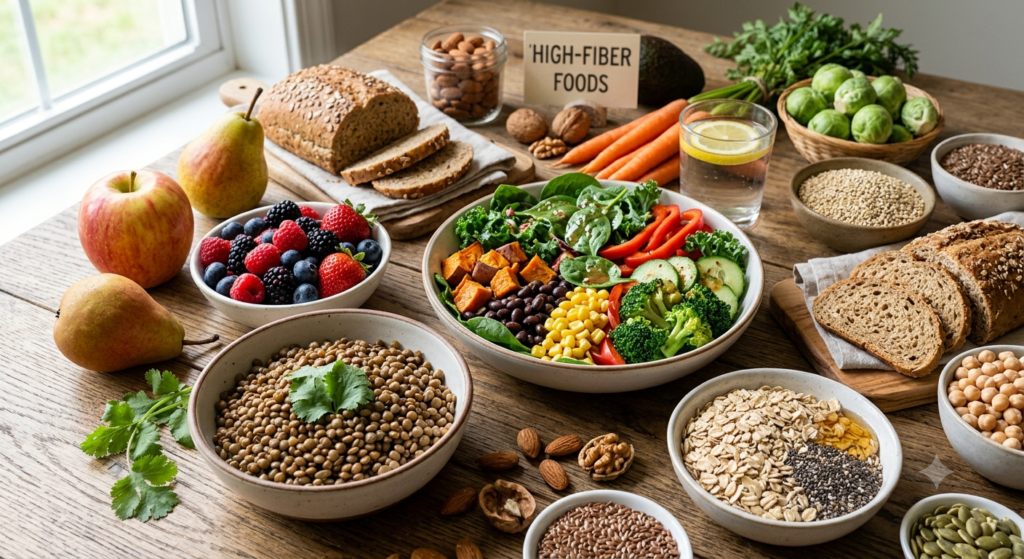
When it comes to losing weight, the mainstream fitness industry loves to sell restriction. We are told to cut carbs, eliminate entire food groups, or survive on expensive pre-packaged meal plans. But the secret to sustainable weight management isn’t about eating less—it’s about eating right using the ingredients already sitting in your kitchen.
If you want a genuine, lifelong edge in your health journey, the most powerful tool at your disposal is dietary fiber. Increasing your intake of regular, high-fiber foods is one of the easiest, scientifically proven ways to shed fat, regulate blood sugar, and improve gut health without feeling starved.
Here is how you can use everyday, budget-friendly foods to unlock an extraordinary healthy edge.
Why Fiber is the Ultimate Everyday Weight Loss Hack
Before looking at what to add to your grocery list, it helps to understand why fiber is so incredibly effective for losing weight. Fiber is the indigestible part of plant foods. Because your body cannot break it down, it passes through your digestive system uniquely, providing several powerful metabolic benefits:
- Natural Appetite Suppression: Soluble fiber absorbs water and forms a gel-like substance in your gut. This slows down digestion, keeping your stomach physically full for longer and signaling to your brain that you don’t need to overeat.
- Crushing Insulin Spikes: When you eat simple or refined carbohydrates, your blood sugar spikes, followed by an immediate crash that triggers intense sugar cravings. High-fiber foods slow the absorption of sugar into the bloodstream, maintaining steady energy levels.
- Optimizing the Gut Microbiome: Fiber acts as a prebiotic, feeding the beneficial bacteria in your gut. A thriving, diverse gut microbiome is closely linked to a faster metabolism and reduced fat storage.
7 High-Fiber Everyday Foods to Add to Your Plate
You don’t need exotic superfoods or specialized supplements to reap these benefits. These seven regular, accessible items are packed with the dietary fiber your body needs to thrive.
1. Whole Oats and Barley
Starting your morning with a bowl of oatmeal is one of the simplest habits for weight management. Oats are incredibly rich in a specific type of soluble fiber called beta-glucan. Beta-glucan has been shown to delay stomach emptying and increase the release of peptide YY, a hormone that signals fullness.
- How to eat it: Avoid sugary, instant oatmeal packets. Opt for rolled or steel-cut oats and top them with a handful of berries or a spoonful of flaxseeds for an extra fiber boost.
2. Lentils and Chickpeas (Pulses)
Lentils, chickpeas, and black beans are nutritional powerhouses. They provide a unique dual advantage for weight loss: they are loaded with both plant-based protein and prebiotic fiber. Protein and fiber work together to drastically lower the glycemic index of your meal, keeping your metabolism active and burning energy efficiently.
- How to eat it: Toss a half-cup of rinsed chickpeas into your daily salad, or swap out a meat-based dinner once a week for a rich, hearty lentil soup or vegetable curry.
3. Chia and Flax Seeds
If you want to maximize your nutrition with minimal effort, keep seeds on your radar. Just two tablespoons of chia seeds pack a massive 10 grams of dietary fiber. When chia seeds hit moisture, they expand significantly in your stomach, creating a physical sense of fullness that prevents mid-day mindless snacking.
- How to eat it: Stir a tablespoon of ground flaxseed or chia seeds into your yogurt, morning smoothies, or even your water with a squeeze of fresh lemon juice.
4. Apples and Pears (With the Skin)
When it comes to fruit, apples and pears are often overlooked in favor of trendy berries. However, a medium apple contains about 4.5 grams of fiber, largely in the form of pectin. Pectin is a soluble fiber that slows digestion and has been structurally linked to reduced calorie intake throughout the day.
- Important Note: Always eat the skin! The peel contains the vast majority of the insoluble fiber, which adds necessary bulk to your digestive tract and aids in waste elimination.
5. Broccoli and Brussels Sprouts
Cruciferous vegetables are the ultimate “volume foods” for weight loss. They are incredibly low in calories but exceptionally high in water and fiber. This means you can eat a massive portion, completely filling your plate and your stomach, without consuming excess calories.
- How to eat it: Avoid boiling them into mush. Instead, roast broccoli florets or halved Brussels sprouts in a light drizzle of olive oil, salt, and garlic until crisp and caramelized.
6. Sweet Potatoes
Carbohydrates are not the enemy of weight loss; the type of carbohydrate matters. Sweet potatoes are an excellent low-glycemic option that provides sustainable, slow-burning energy. They contain a mix of soluble and insoluble fiber that prevents insulin resistance and keeps your digestive tract moving smoothly.
- How to eat it: Bake or steam your sweet potatoes whole rather than frying them, and leave the skins on for maximum fiber retention.
7. Avocados
Unlike most other high-fiber options, avocados are unique because their fiber is paired with healthy, monounsaturated fats. This combination is highly satisfying. Adding just a quarter or a half of an avocado to a meal can suppress your appetite for hours afterward.
- How to eat it: Use mashed avocado as a nutritious, creamy spread on whole-grain toast in place of butter or processed mayonnaise.
Simple Framework for Daily Meals
To give you a practical blueprint, here is how you can easily structure these everyday ingredients into a balanced, high-fiber day:
| Meal | Regular Food Selection | Weight Loss Edge |
| Breakfast | Rolled oats topped with sliced apples, cinnamon, and a spoonful of chia seeds. | High beta-glucan content suppresses early afternoon cravings. |
| Lunch | Mixed green salad with cucumbers, roasted broccoli, and a half-cup of seasoned chickpeas. | High-volume vegetable fiber fills the stomach with minimal calories. |
| Snack | A fresh pear or a handful of raw almonds. | Keeps blood sugar stable to avoid evening energy crashes. |
| Dinner | Grilled lean protein alongside a baked sweet potato (with skin) and roasted Brussels sprouts. | Slow-digesting carbohydrates support metabolic repair during sleep. |
Actionable Tips to Avoid Digestive Discomfort
When you start focusing on high-fiber living, it can be tempting to change your entire diet overnight. However, your gut bacteria need time to adjust to the increased workload. To avoid bloating, gas, or mild stomach discomfort, keep these two foundational rules in mind:
- Step Up Gradually: If you currently eat very little fiber, don’t try to hit 35 grams tomorrow. Increase your intake slowly over two to three weeks. Start by adding just one high-fiber food to a single meal per day, allowing your microbiome to naturally adapt.
- Hydrate Constantly: Fiber works like a sponge. It requires plenty of water to move smoothly through your digestive tract. If you increase your fiber intake without drinking enough water, it can lead to constipation. Aim for at least 8 to 10 glasses of water daily to keep things moving.
Final Thoughts: The Power of the Everyday Plate
Sustainable weight loss is never about deprivation, synthetic diet pills, or punishing routines. True wellness is built on the quiet, compounding choices you make at your dining table every single day.
By intentionally choosing regular, nutrient-dense, high-fiber foods, you stop fighting against your body’s natural hunger cues. Instead, you work with your biology—slowing down digestion, stabilizing your hormones, and nourishing your gut health. It’s a simple, reliable approach that gives your health the lasting edge it deserves.